

The driver shortage in Europe: a structural challenge threatening the supply chain
The shortage of professional drivers is a critical issue affecting all of Europe, with over 233,000 vacancies in the freight transport sector. According to an IRU study (2023), this figure could triple by 2028. This crisis undermines supply chain stability and calls for a coordinated response at EU level.
To tackle this challenge, the European Commission launched STEER2EU in April 2024, a study led by IRU to review Member States’ practices in recruiting staff from third countries. The project unfolds within a complex geopolitical context marked by intensified migration flows, economic pressures, and global instability.
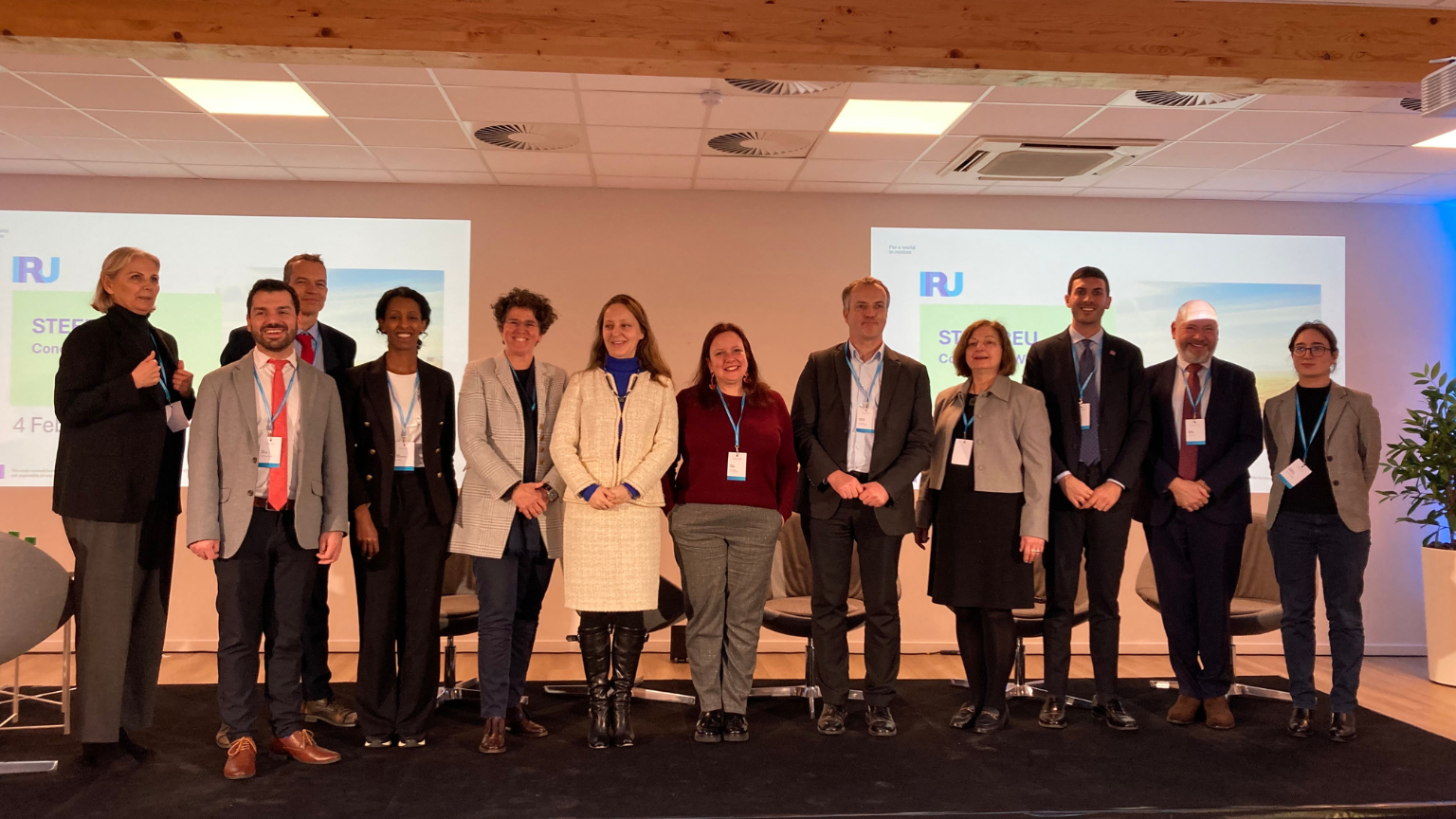
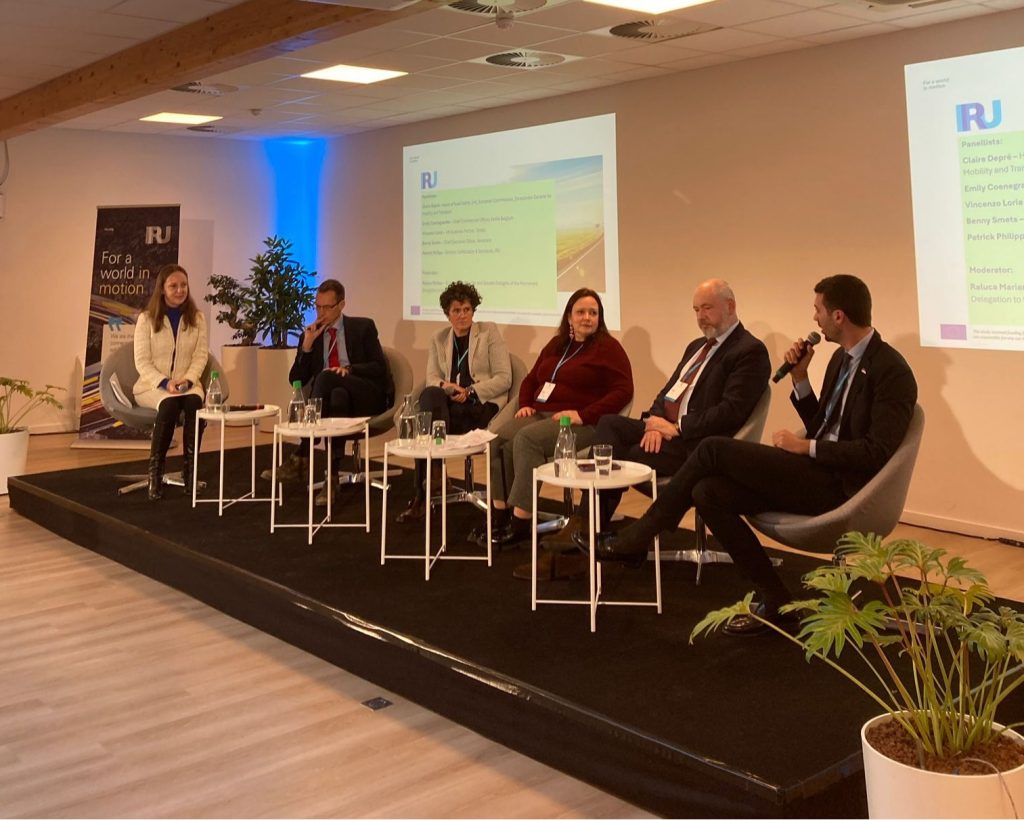
The STEER2EU closing workshop, held in Brussels on February 4, was a key opportunity to compare strategies and propose shared solutions. Among the participants, Vincenzo Loria – HR Generalist at Torello Group – contributed our company’s perspective and experience on industry challenges and the need for greater harmonization in recruitment practices.
STEER2EU: Study on Employing Third-Country Drivers in the EU
STEER2EU is a European Commission study aimed at understanding how the EU and its Member States manage the employment of bus and truck drivers from third countries. The study has two main objectives:
Inform policymakers: provide data and analysis on current policies for integrating these drivers.
Standardize requirements: propose measures to harmonize qualification and training for third-country drivers seeking employment
The study involves several countries, including Switzerland and the United Kingdom, and is led by IRU (International Road Transport Union), which has focused on:
Research and analysis: reviewing existing laws and practices, conducting surveys and interviews.
Certification comparison: assessing driver requirements in 20 third countries against EU standards (CQC).
Workshops: organizing sessions to share findings and promote best practices.
In summary, STEER2EU aims to enhance understanding and management of third-country driver employment in the EU, ensuring high standards and better integration within the European transport sector.
The workshop
On February 4, 2025, in Brussels, IRU presented the key findings of the STEER2EU study, highlighting urgent issues that could shape future recruitment policies for drivers from third countries.
The main points emerging from the STEER2EU final workshop can be summarized as follows:
Driver shortage, an urgent challenge: The European Commission and IRU acknowledge the shortage of drivers as a critical issue impacting bus services and freight distribution.
Need for solutions: Discussions focused on improving legal migration pathways and facilitating the recognition of third-country driver qualifications.
Significance of the STEER2EU study: The research delivered data and insights on recruitment challenges and best practices across the EU, aiming to support effective policies and promote Member States’ best practices.
Harmonization and standards: The need to harmonize regulations and align non-EU driver qualifications with European standards was emphasized. Particular attention was given to the process for obtaining the Driver Qualification Card (CQC), essential for professional international drivers in Europe.
Labor market integration: Fair working conditions and clear legal pathways for non-EU drivers are essential.
Collaboration and coordinated action: Greater cooperation among policymakers, businesses, and stakeholders is crucial to address the driver shortage.
Practical solutions: The involvement of companies like Torello added real-world evidence of existing challenges and the urgent need for measures such as license harmonization, clearer employment pathways, and the implementation of successful models like the ECMT Quality Charter.
In summary, the STEER2EU study and final workshop highlighted the urgent need to tackle Europe’s driver shortage, stressing the importance of easing access to the profession for EU drivers while also improving recruitment and integration of third-country drivers, ensuring high standards and fair working conditions.
Labor market challenges in freight transport
One of the key issues highlighted during the workshop was the low attractiveness of the driver profession for European workers, particularly among younger generations. High turnover rates and often challenging working conditions make it essential to expand recruitment efforts beyond Europe. However, hiring drivers from third countries remains a lengthy and complex process due to bureaucratic procedures, inconsistent regulations, and language barriers.
The main challenges identified:
- Language barriers and limited access to training courses in drivers’ home countries.
- Lengthy and complex procedures for recognizing professional licenses such as the Driver Qualification Card (CQC).
- Divergent regulations among EU Member States, with varying levels of complexity in hiring non-EU workers.
New training strategies for the labor market
Among the solutions presented during the workshop, pilot projects for on-site training stand out, already being tested in several countries. A promising approach involves training staff directly in their home countries, using a model designed to balance European companies’ needs with strengthening local workforces. However, significant bureaucratic hurdles remain, such as obtaining the Driver Qualification Card (CQC), which requires non-EU drivers to travel to EU countries for training and take the exam in the local language.
To provide context, Italy is testing the Mattei Plan, a collaborative project with several African countries aimed at facilitating the integration of non-EU workers into the labor market.
Ministry of University and Research
Torello’s experience: the need for faster and more efficient driver recruitment processes
These bureaucratic challenges pose a real obstacle for many transport companies, including Torello. Vincenzo Loria shared our company’s experience in driver recruitment, highlighting the key issues we face:
Complex and costly procedures: The entire recruitment process, including visas, work permits, and training, can take anywhere from six months to two years before a driver is fully operational.
Adaptation and support: Beyond bureaucracy, non-EU workers face cultural and professional adaptation, requiring ongoing assistance.
A system struggling to respond promptly to market needs: Current entry timelines do not allow companies to quickly adapt to workforce fluctuations.
“The driver shortage is a challenge we have been facing for years, with a significant impact on all our operations. The current system makes it nearly impossible to respond quickly to market demands and workforce fluctuations. A faster, more efficient process would truly make a difference—not only for companies like ours, but for the entire transport sector.”
Vincenzo Loria, HR Generalist – Torello Group
Simplification and harmonization: strategic drivers for the future of freight transport
The driver shortage is one of the most pressing challenges in the industry, demanding close coordination between institutions and businesses to deliver practical solutions. The Brussels workshop highlighted the need for a more flexible and harmonized EU-wide approach—one that streamlines the recruitment of third-country drivers, cuts bureaucratic delays, and ensures a faster, more efficient transition for transport companies.

